Author name: Devendra savita

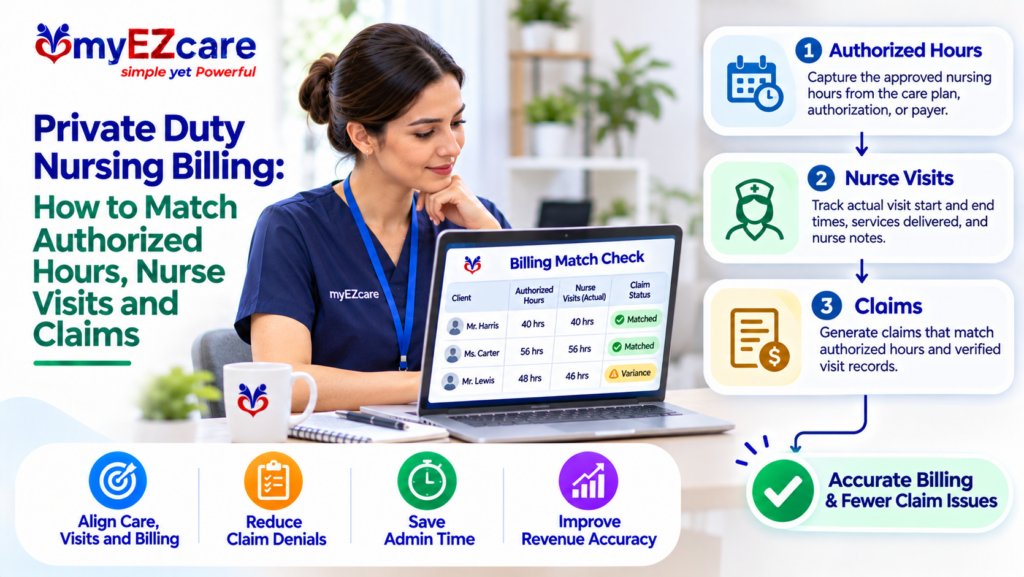
Private Duty Nursing Billing

Private Duty Nursing Billing: How to Match Authorized Hours, Nurse Visits and Claims

Summary Private duty nursing billing requires agencies to verify that nursing services were authorized, actually delivered, properly documented, and billed according to the applicable payer’s rules. A nurse may be scheduled for a 12-hour shift, but that does not automatically mean the agency can bill for 12 hours. Late arrivals, early departures, canceled shifts, authorization […]

Private Duty Nursing Billing: How to Match Authorized Hours, Nurse Visits and Claims Read More »
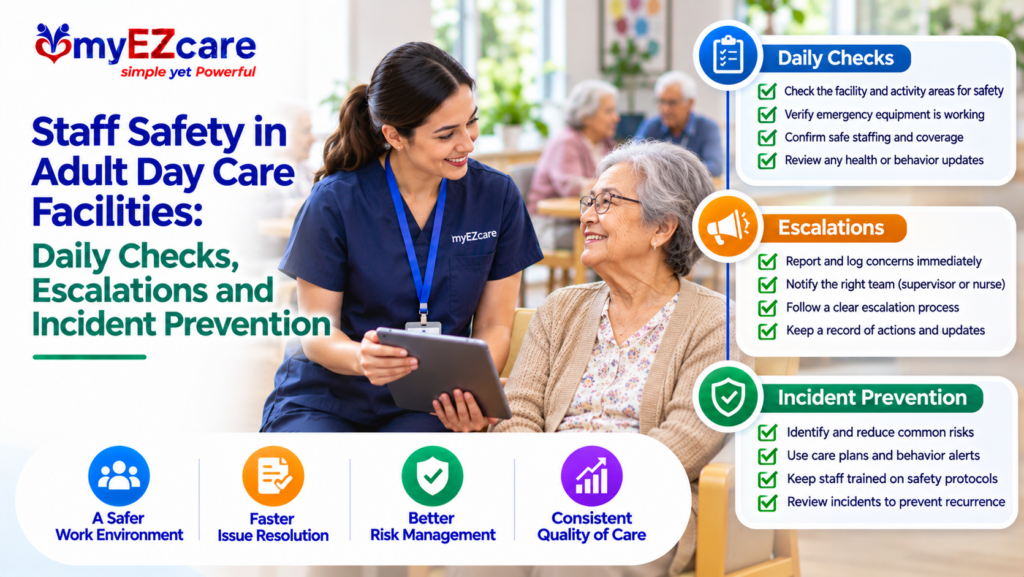
Adult Day Care Facilities

Staff Safety in Adult Day Care Facilities: Daily Checks, Escalations and Incident Prevention

Summary Staff safety is an important part of running an adult day care facility. Employees regularly assist participants with mobility, personal care, activities, transportation, and other daily needs. These responsibilities can expose staff to physical injuries, workplace hazards, infectious illnesses, and unexpected emergencies. A safe working environment requires more than responding when something goes wrong.

Staff Safety in Adult Day Care Facilities: Daily Checks, Escalations and Incident Prevention Read More »

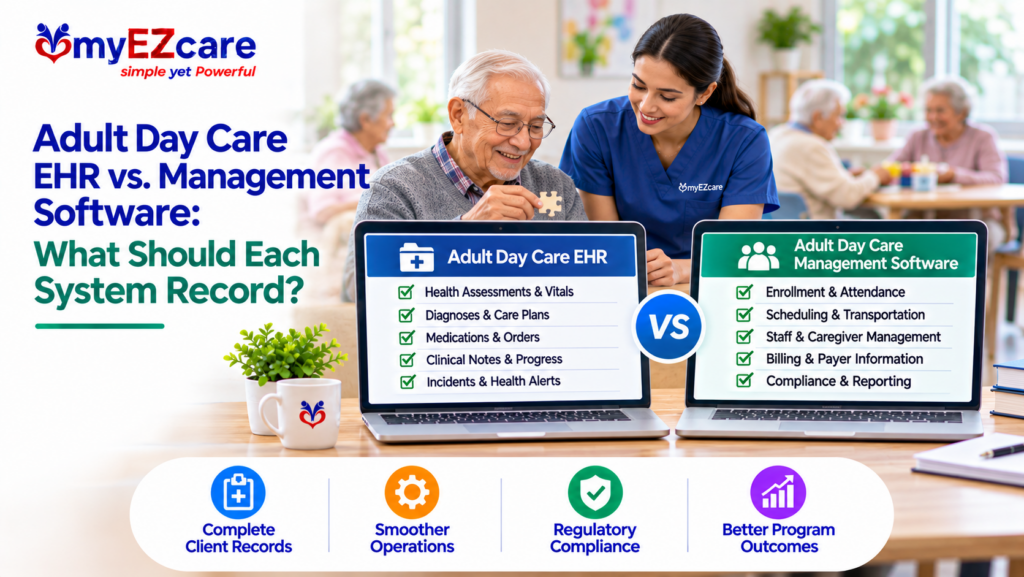
Adult Day Care EHR vs. Management Software

Adult Day Care EHR vs. Management Software: What Should Each System Record?

Summary Adult day care centers manage two important types of information: records related to participant health and care, and records related to daily operations. An Electronic Health Record (EHR) system primarily supports clinical information, assessments, care plans, and healthcare documentation. Adult Day Care Management Software typically focuses on participant enrollment, attendance, scheduling, transportation, staff coordination,

Adult Day Care EHR vs. Management Software: What Should Each System Record? Read More »

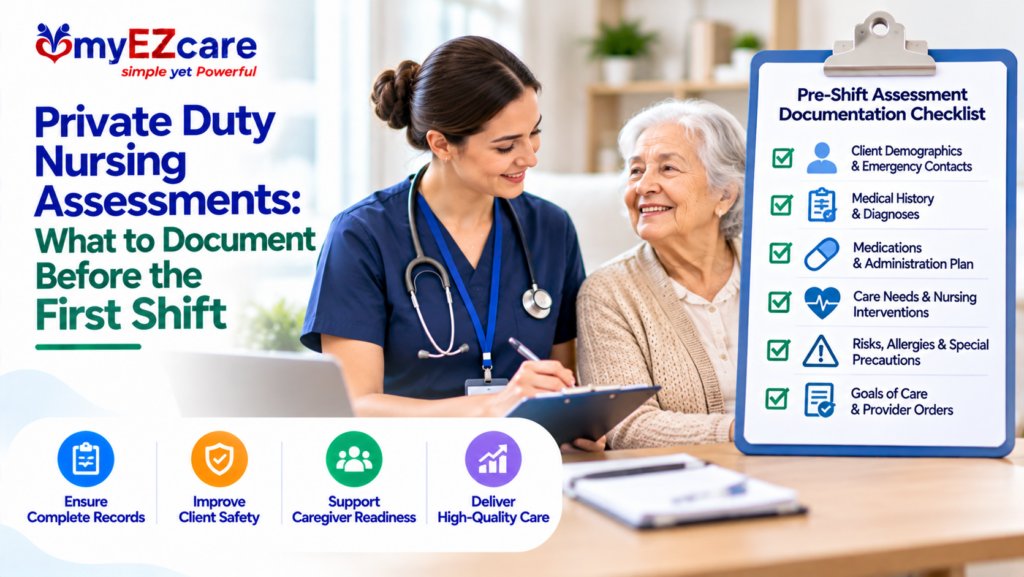
Private Duty Nursing Assessments

Private Duty Nursing Assessments: What to Document Before the First Shift

Summary Starting private duty nursing services requires more than assigning a nurse and confirming a schedule. Before the first shift, agencies need to understand the patient’s medical needs, review available clinical information, confirm physician or other authorized practitioner orders, and prepare the documentation necessary to support safe, coordinated care.   An incomplete initial assessment can

Private Duty Nursing Assessments: What to Document Before the First Shift Read More »

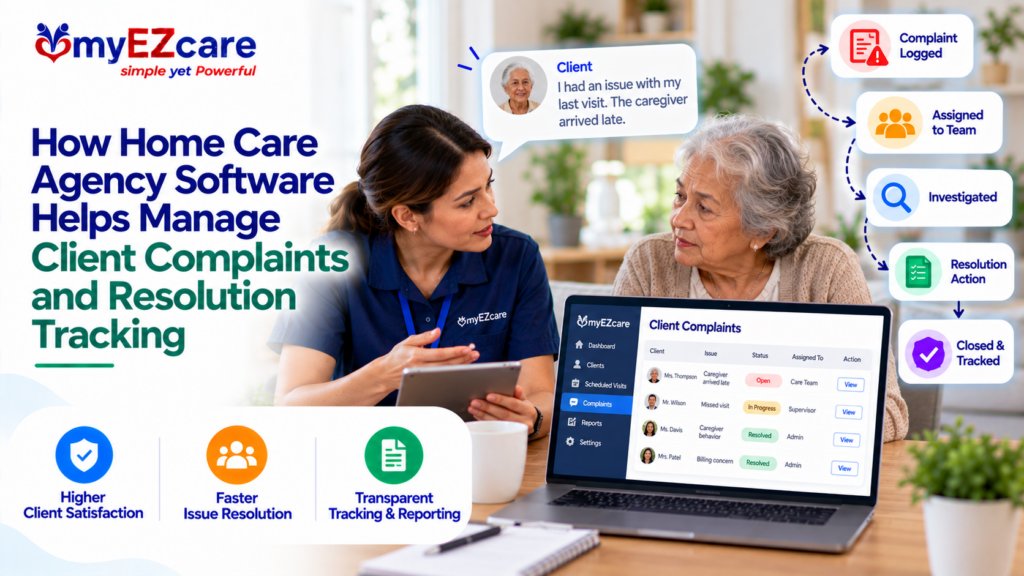
Client Complaints and Resolution Tracking

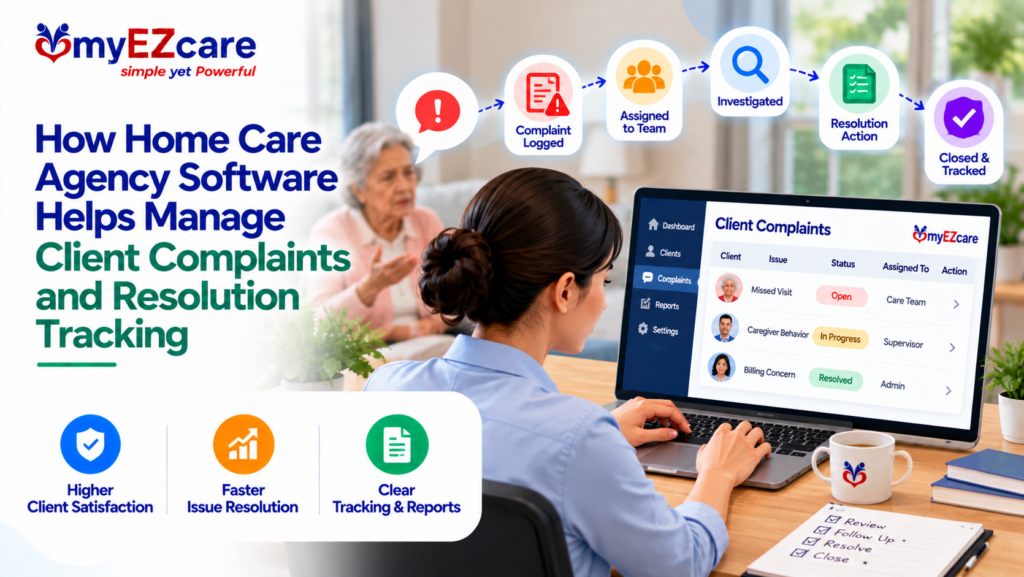
How Home Care Agency Software Helps Manage Client Complaints and Resolution Tracking

Summary Client complaints are an important part of home care agency operations. Whether a client reports a missed caregiver visit, poor communication, scheduling problems, or concerns about service quality, agencies need a reliable way to document and resolve the issue.   When complaints are handled through phone calls, emails, spreadsheets, or paper records, it can

How Home Care Agency Software Helps Manage Client Complaints and Resolution Tracking Read More »

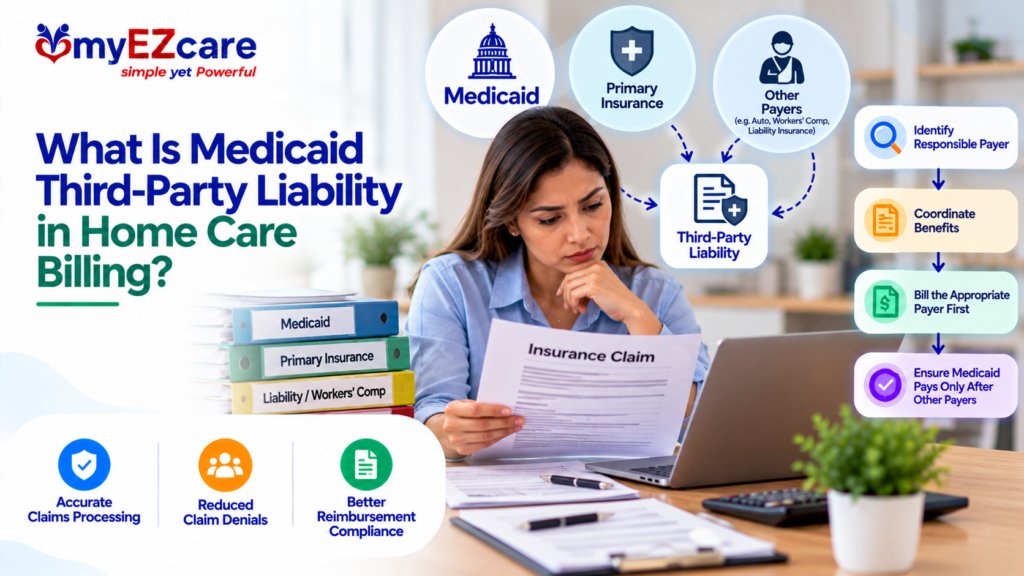
Medicaid Third-Party Liability

What Is Medicaid Third-Party Liability in Home Care Billing?

Summary Medicaid Third-Party Liability (TPL) refers to situations in which another individual, insurance company, or legally responsible organization may be required to pay for healthcare services provided to a Medicaid beneficiary. Because Medicaid generally operates as the payer of last resort, other legally liable sources of payment must usually be considered before Medicaid pays for

What Is Medicaid Third-Party Liability in Home Care Billing? Read More »

When Switching Home Care Software Providers

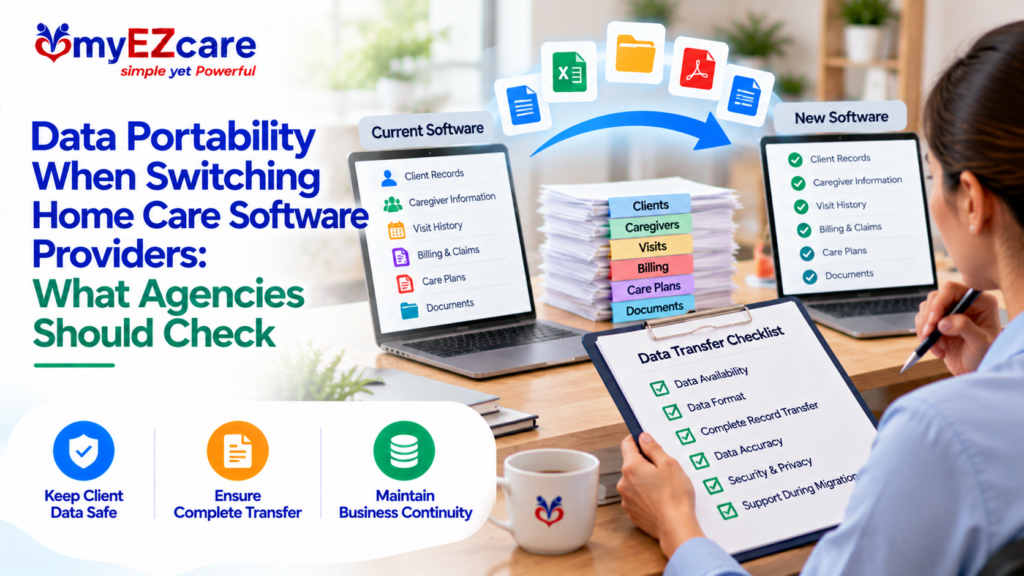
Data Portability When Switching Home Care Software Providers: What Agencies Should Check

Summary Switching home care software providers can help agencies improve scheduling, caregiver management, billing, reporting, and daily operations. However, one of the biggest concerns during a software transition is what happens to the information already stored in the existing system. Client records, caregiver profiles, visit histories, service authorizations, Electronic Visit Verification (EVV) data, billing information,

Data Portability When Switching Home Care Software Providers: What Agencies Should Check Read More »

Client Complaints and Resolution Tracking

How Home Care Agency Software Helps Manage Client Complaints and Resolution Tracking

Summary Client complaints are an important source of feedback for home care agencies. Whether a concern involves caregiver punctuality, missed visits, communication, service quality, or billing, agencies need a reliable process to receive, investigate, and resolve complaints. When complaints are handled through phone calls, emails, paper forms, or spreadsheets, important details may be missed. Staff

How Home Care Agency Software Helps Manage Client Complaints and Resolution Tracking Read More »

Client Refuses Electronic Visit Verification

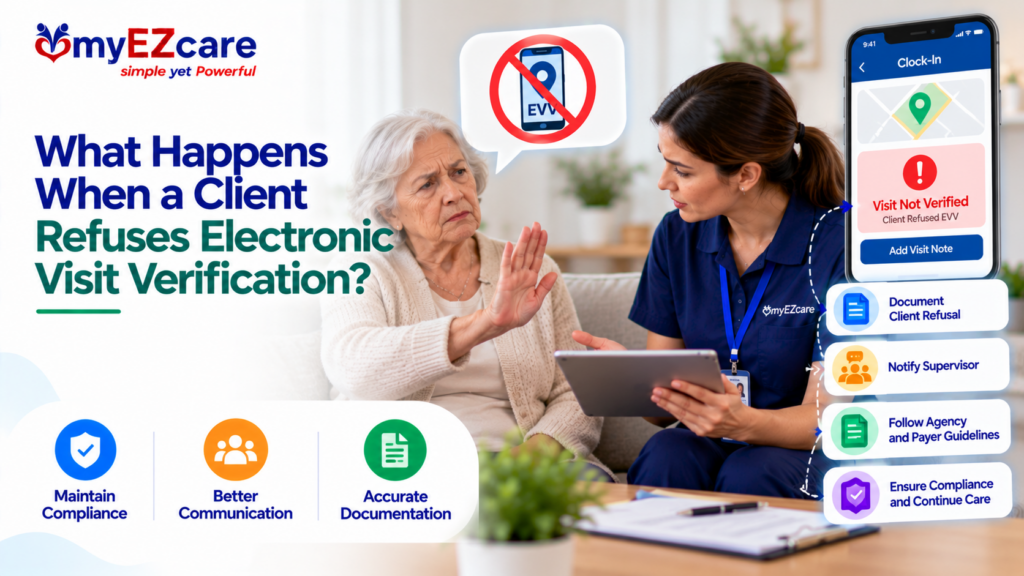
What Happens When a Client Refuses Electronic Visit Verification?

Summary Electronic Visit Verification (EVV) is an important requirement for many Medicaid-funded home care services in the United States. It helps verify essential information about services delivered during home visits. However, some clients may feel uncomfortable with EVV technology. They may have concerns about GPS tracking, privacy, personal devices, or how their information will be

What Happens When a Client Refuses Electronic Visit Verification? Read More »

Medicaid Claim Recoupment

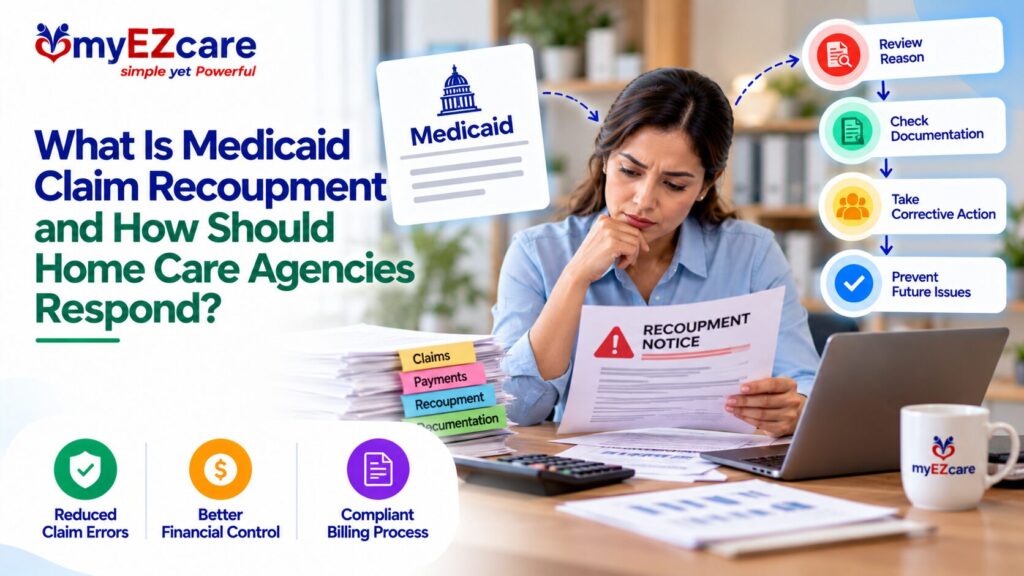
What Is Medicaid Claim Recoupment and How Should Home Care Agencies Respond?

Summary Receiving payment for a Medicaid home care claim does not always mean the billing process is completely finished. In some situations, a state Medicaid agency or managed care organization may later determine that a payment was incorrect and seek to recover all or part of the amount. This process is commonly known as Medicaid

What Is Medicaid Claim Recoupment and How Should Home Care Agencies Respond? Read More »

Scroll to Top

Add Your Listing