Author name: Devendra savita

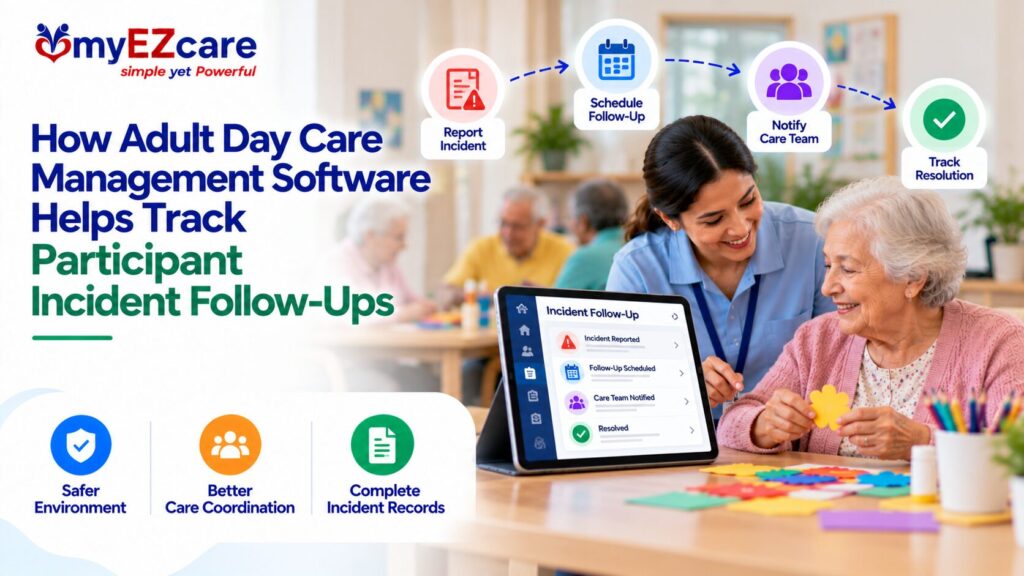
Adult Day Care Management Software Helps Track Participant Incident Follow-Ups

How Adult Day Care Management Software Helps Track Participant Incident Follow-Ups

Summary Managing participant incidents is an important responsibility for adult day care centers. Whether an incident involves a fall, a behavioral concern, a transportation issue, or another unexpected event, documenting what happened is only the first step. Adult day care staff may also need to notify the appropriate people, complete assessments, review the participant’s care […]

How Adult Day Care Management Software Helps Track Participant Incident Follow-Ups Read More »
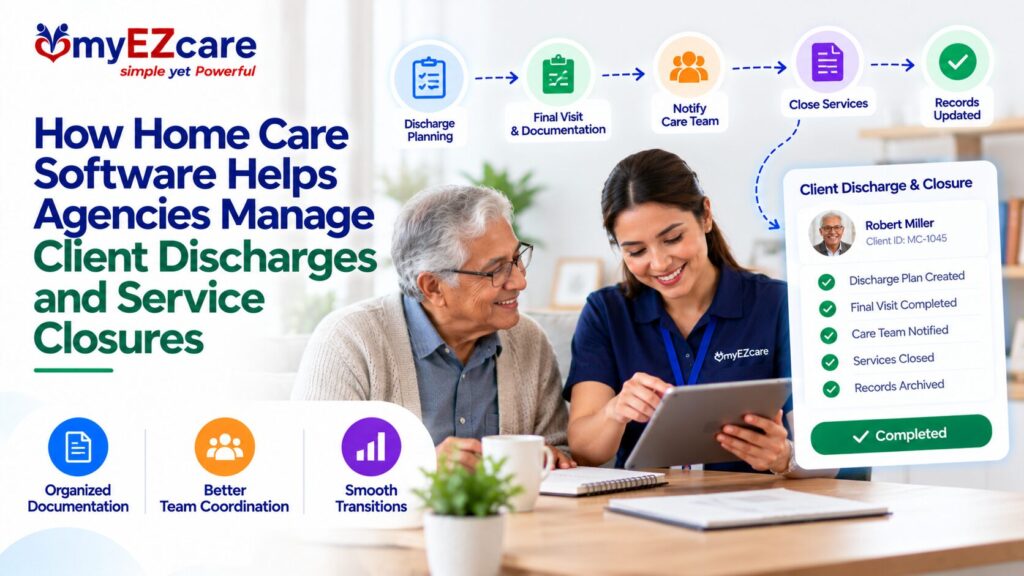
Client Discharges and Service Closures

How Home Care Software Helps Agencies Manage Client Discharges and Service Closures

Summary Client discharge and service closure are important parts of home care agency operations. Whether a client no longer requires assistance, moves to another care provider, enters a healthcare facility, or chooses to discontinue services, agencies need a structured process to close services appropriately. Managing these activities manually can create problems such as active schedules

How Home Care Software Helps Agencies Manage Client Discharges and Service Closures Read More »

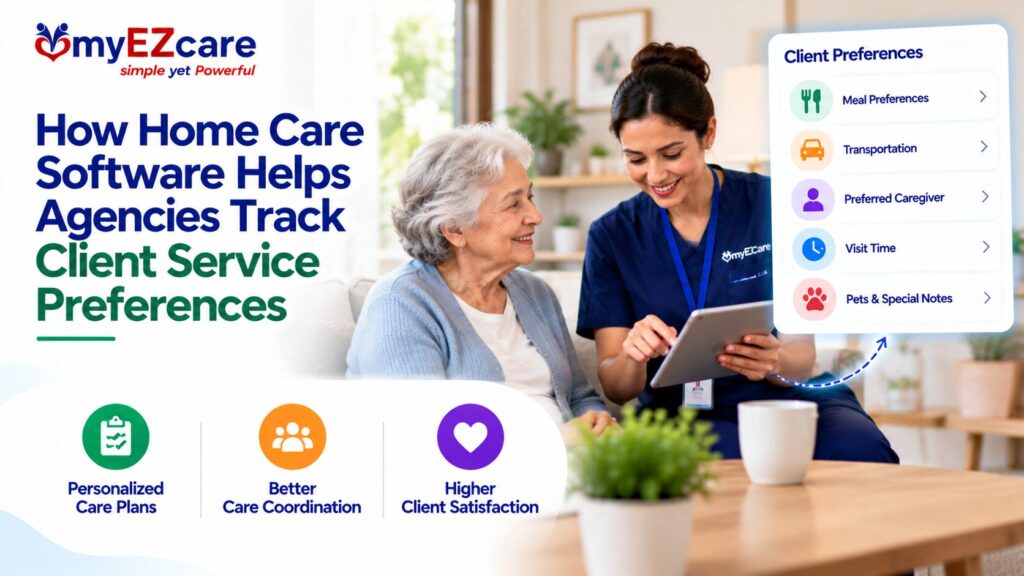
Agencies Track Client Service Preferences

How Home Care Software Helps Agencies Track Client Service Preferences

Summary Every home care client has individual preferences that influence how they want to receive assistance. These may include preferred visit times, daily routines, communication styles, caregiver preferences, and personal care arrangements. For home care agencies, keeping track of these details becomes challenging when information is scattered across intake forms, spreadsheets, paper notes, and conversations

How Home Care Software Helps Agencies Track Client Service Preferences Read More »

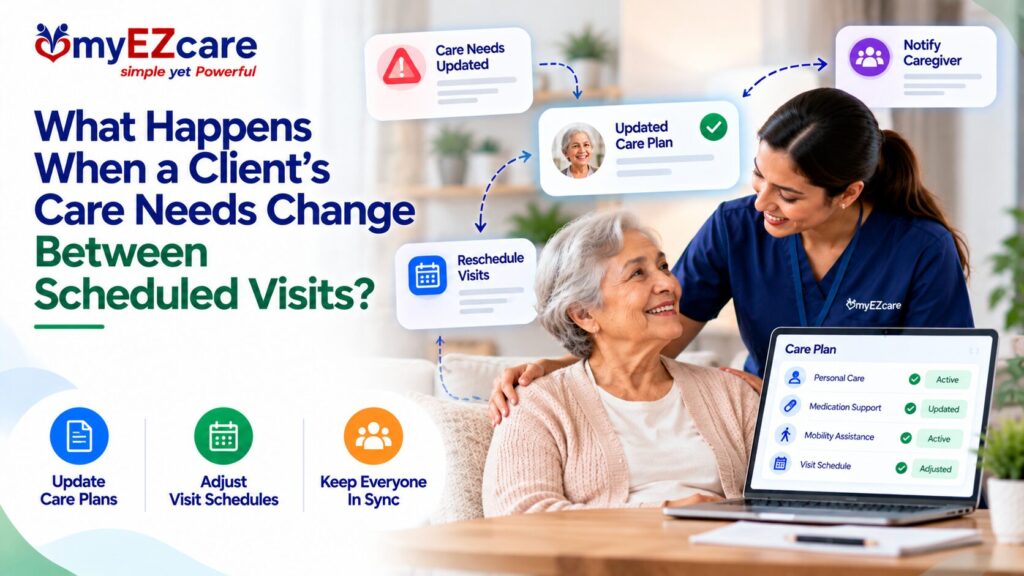
Client's Care Needs Change Between Scheduled Visits?

What Happens When a Client’s Care Needs Change Between Scheduled Visits?

Summary A client’s care needs do not always remain the same between scheduled home care visits. Changes in mobility, daily routines, personal care requirements, health conditions, or family support can create new challenges for home care agencies.   When these changes occur, agencies need a clear process for receiving updates, assessing the situation, communicating with

What Happens When a Client’s Care Needs Change Between Scheduled Visits? Read More »

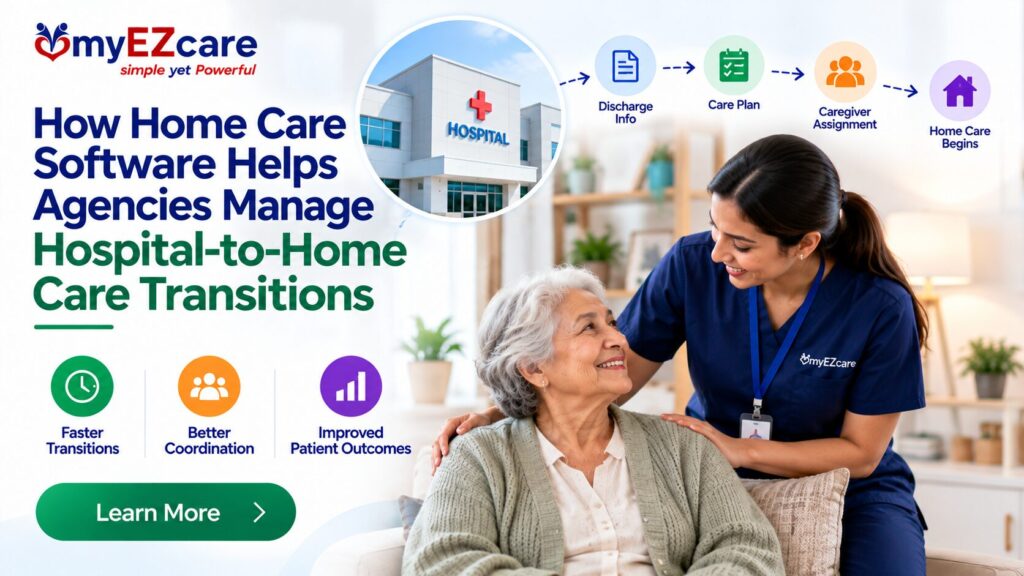
Hospital-to-Home Care Transitions

How Home Care Software Helps Agencies Manage Hospital-to-Home Care Transitions

Summary The transition from hospital to home is an important stage in a patient’s care journey. After discharge, patients may need assistance with daily activities, personal care, medication reminders, mobility, transportation, or other support services depending on their individual needs.   For home care agencies, coordinating these services requires accurate information, timely caregiver assignments, clear

How Home Care Software Helps Agencies Manage Hospital-to-Home Care Transitions Read More »

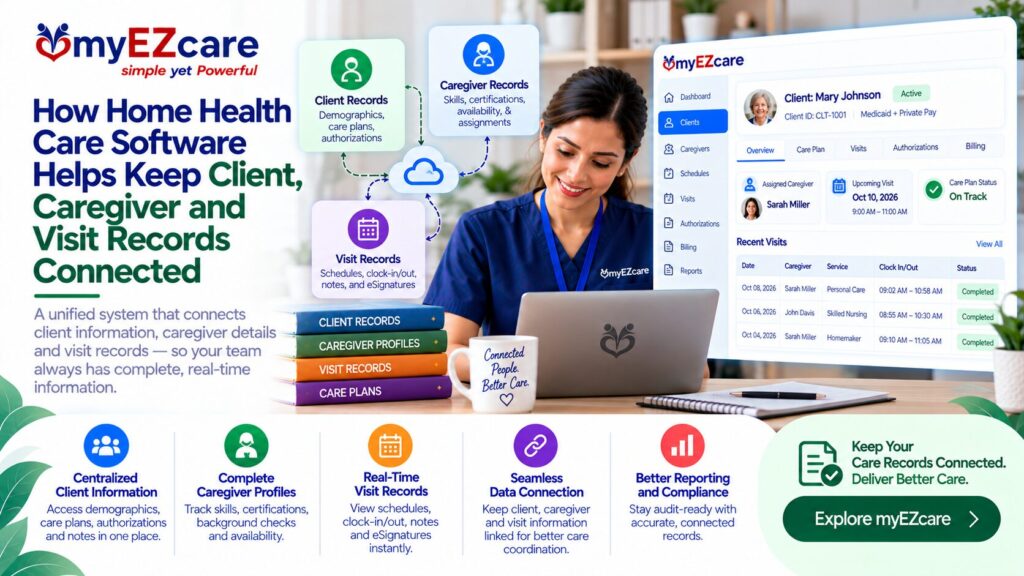
Caregiver and Visit Records Connected

How Home Health Care Software Helps Keep Client, Caregiver and Visit Records Connected

Summary Managing client information, caregiver records, and visit documentation is a daily responsibility for home health care agencies. However, when these records are maintained in separate spreadsheets, paper files, or disconnected applications, staff may struggle to find accurate information, coordinate services, and keep documentation updated. Home Health Care Software helps agencies bring client profiles, caregiver

How Home Health Care Software Helps Keep Client, Caregiver and Visit Records Connected Read More »

Multiple Payers for One Client

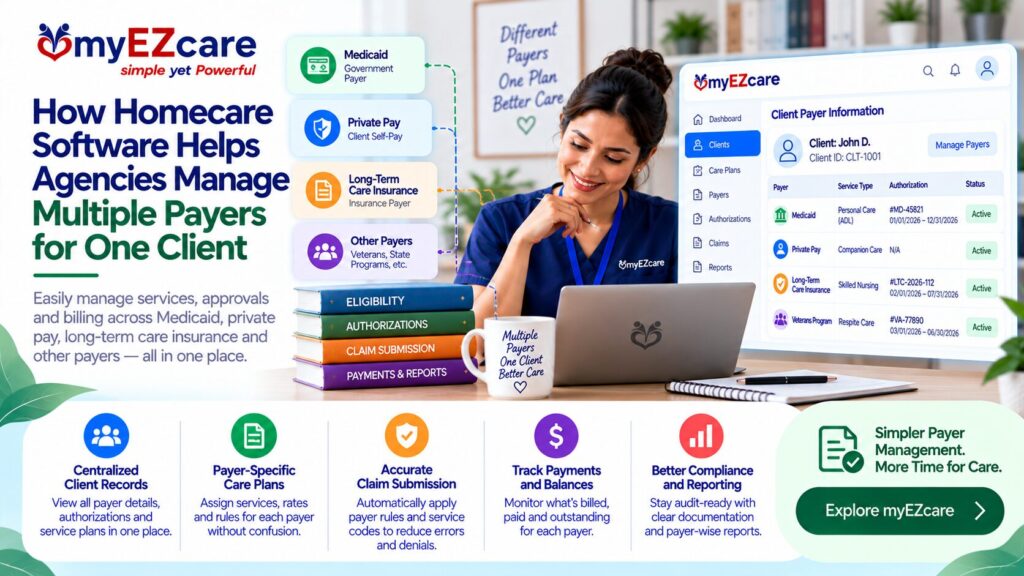
How Homecare Software Helps Agencies Manage Multiple Payers for One Client

Summary Managing home care services becomes more complicated when a single client has multiple sources of payment. An agency may need to coordinate Medicaid-funded services, Medicare-covered home health services, private insurance benefits, and privately paid care, depending on the client’s eligibility and coverage. Each payer may have different authorization requirements, covered services, billing codes, reimbursement

How Homecare Software Helps Agencies Manage Multiple Payers for One Client Read More »

90-Day Caregiver Turnover

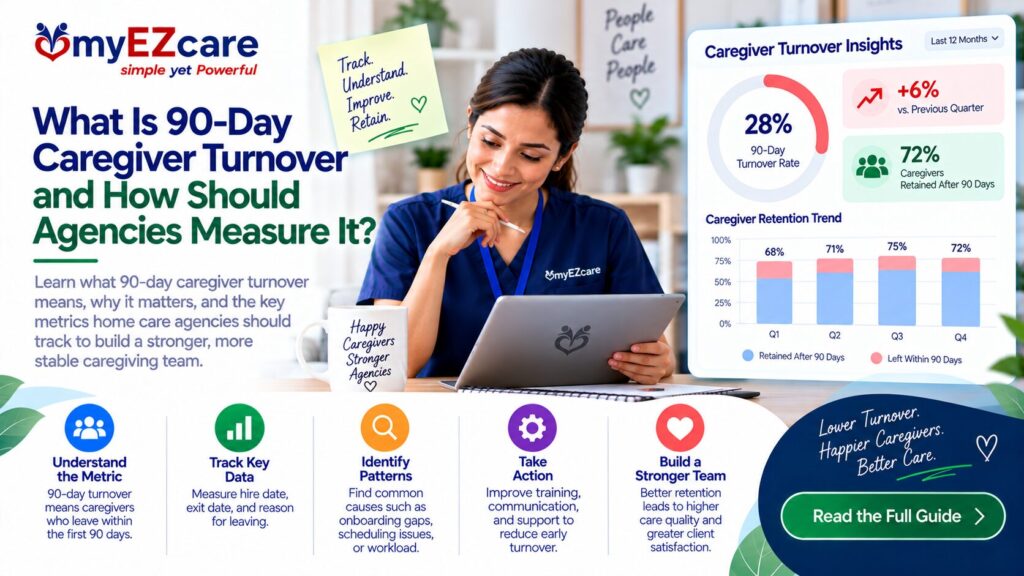
What Is 90-Day Caregiver Turnover and How Should Agencies Measure It?

Summary Hiring caregivers is an ongoing challenge for home care agencies, but retaining them after hiring can be just as important. When newly hired caregivers leave within their first three months, agencies may lose time and resources invested in recruitment, onboarding, training, and scheduling.   90-day caregiver turnover measures the percentage of newly hired caregivers

What Is 90-Day Caregiver Turnover and How Should Agencies Measure It? Read More »

From Hiring to First Visit

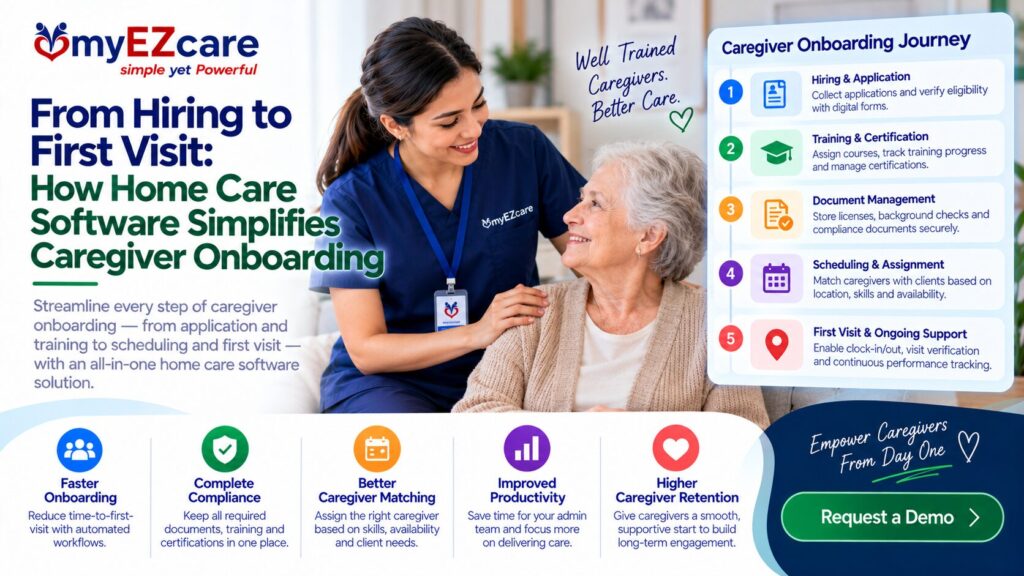
From Hiring to First Visit: How Home Care Software Simplifies Caregiver Onboarding

Summary Hiring a caregiver is only the beginning. Before a new employee can provide care, home care agencies need to complete several onboarding steps, including collecting documents, verifying qualifications, completing required screenings, coordinating training, and assigning appropriate patient visits.   When these activities are managed through emails, spreadsheets, paper forms, and disconnected systems, onboarding can

From Hiring to First Visit: How Home Care Software Simplifies Caregiver Onboarding Read More »

Medicaid Home Care Billing

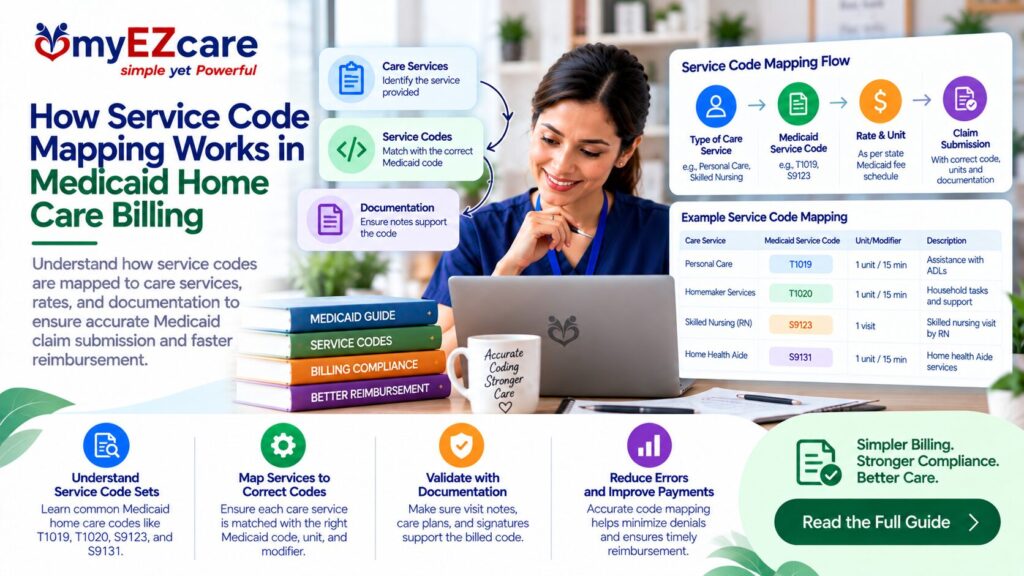
How Service Code Mapping Works in Medicaid Home Care Billing

Summary In Medicaid home care billing, providing and documenting a service is only part of the process. The service also needs to be represented correctly on the claim using the appropriate billing information. This is where service code mapping becomes important. Service code mapping connects the service an agency provides—such as personal care or a

How Service Code Mapping Works in Medicaid Home Care Billing Read More »

Scroll to Top

Add Your Listing