Private Duty Nursing Assessments

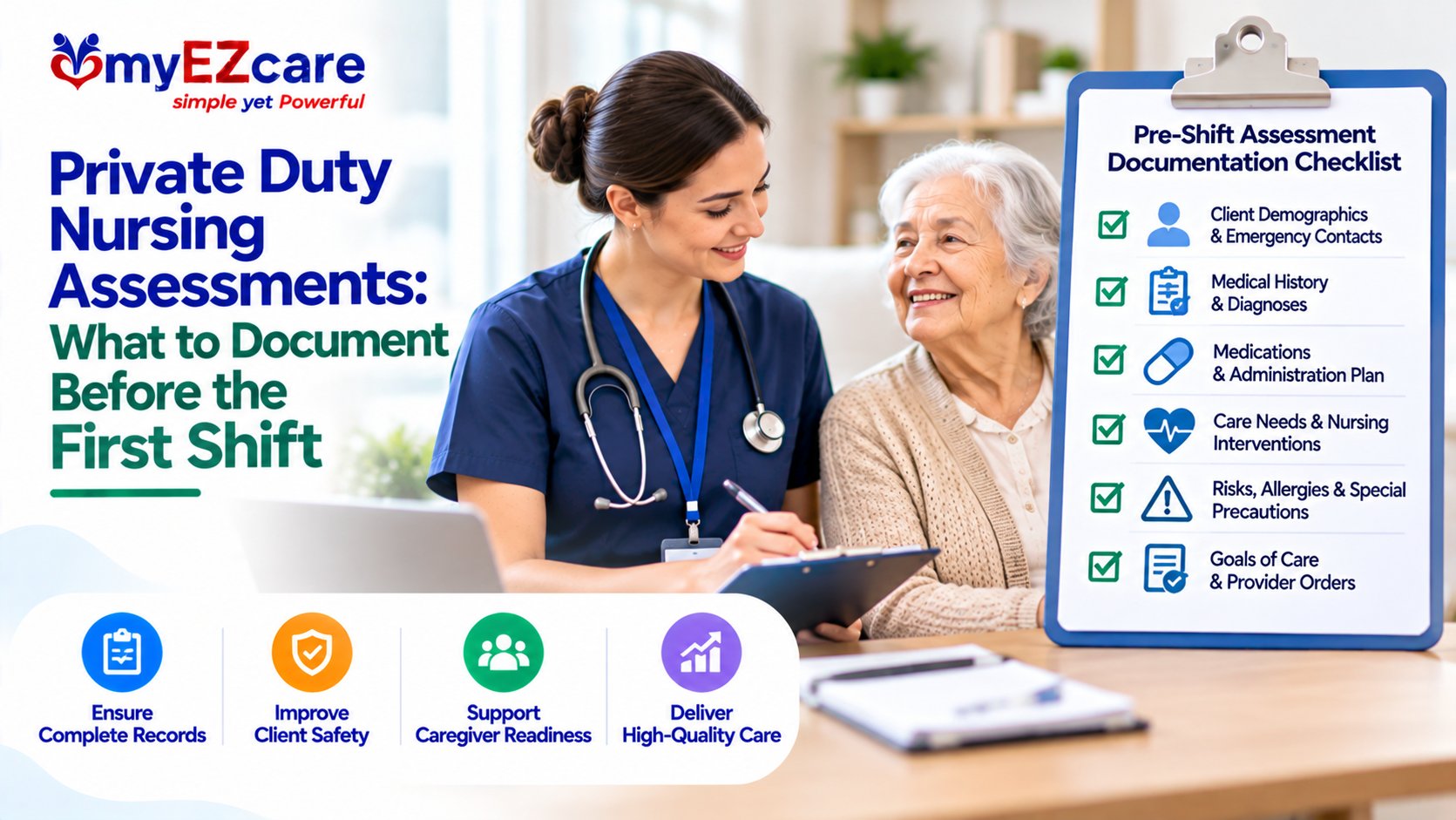
Private Duty Nursing Assessments: What to Document Before the First Shift

Summary Starting private duty nursing services requires more than assigning a nurse and confirming a schedule. Before the first shift, agencies need to understand the patient’s medical needs, review available clinical information, confirm physician or other authorized practitioner orders, and prepare the documentation necessary to support safe, coordinated care.  
Read More »
Medicaid Third-Party Liability

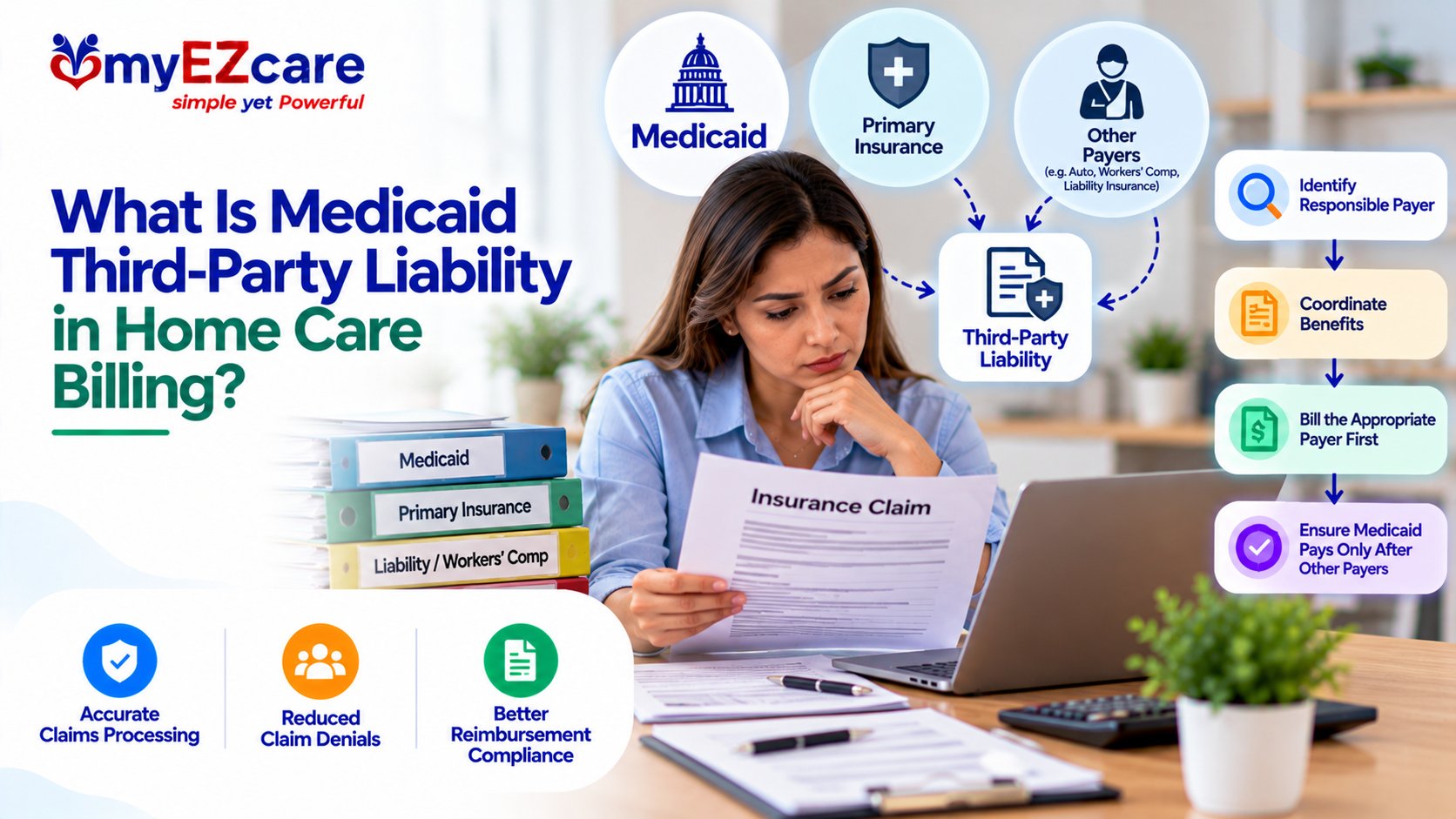
What Is Medicaid Third-Party Liability in Home Care Billing?

Summary Medicaid Third-Party Liability (TPL) refers to situations in which another individual, insurance company, or legally responsible organization may be required to pay for healthcare services provided to a Medicaid beneficiary. Because Medicaid generally operates as the payer of last resort, other legally liable sources of payment must usually be

Read More »
When Switching Home Care Software Providers

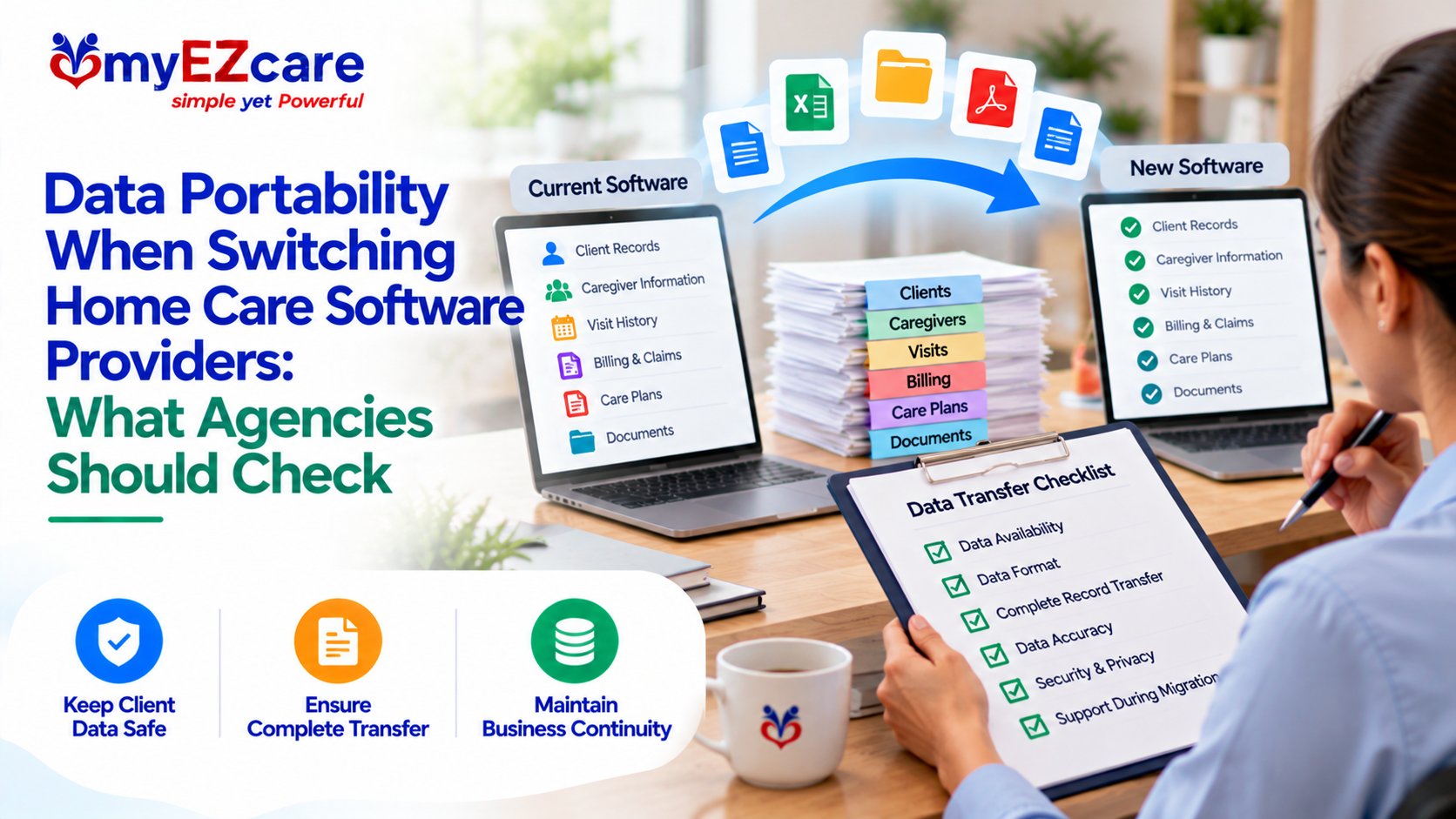
Data Portability When Switching Home Care Software Providers: What Agencies Should Check

Summary Switching home care software providers can help agencies improve scheduling, caregiver management, billing, reporting, and daily operations. However, one of the biggest concerns during a software transition is what happens to the information already stored in the existing system. Client records, caregiver profiles, visit histories, service authorizations, Electronic Visit

Read More »
Client Refuses Electronic Visit Verification

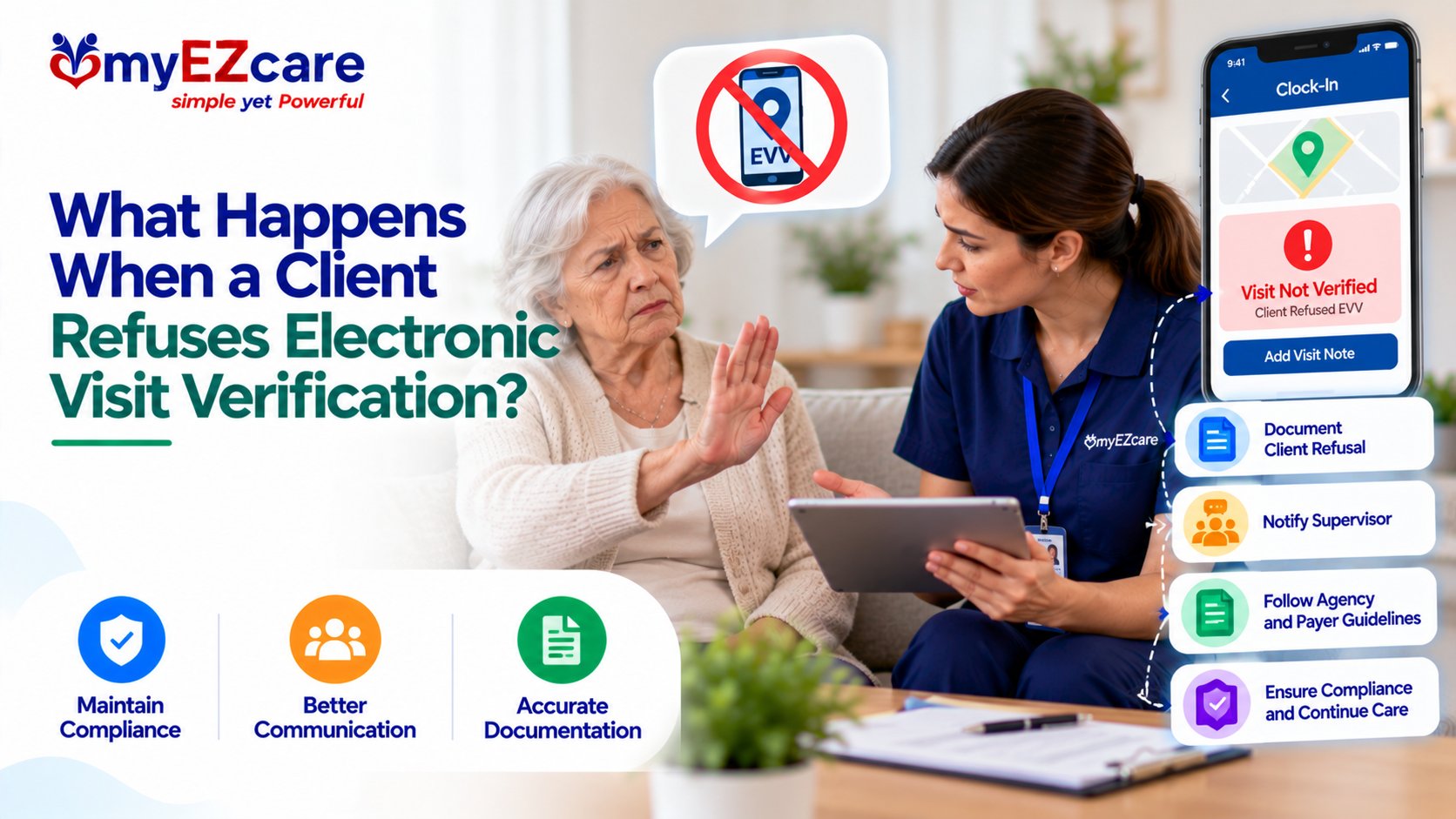
What Happens When a Client Refuses Electronic Visit Verification?

Summary Electronic Visit Verification (EVV) is an important requirement for many Medicaid-funded home care services in the United States. It helps verify essential information about services delivered during home visits. However, some clients may feel uncomfortable with EVV technology. They may have concerns about GPS tracking, privacy, personal devices, or

Read More »
Scroll to Top

Add Your Listing