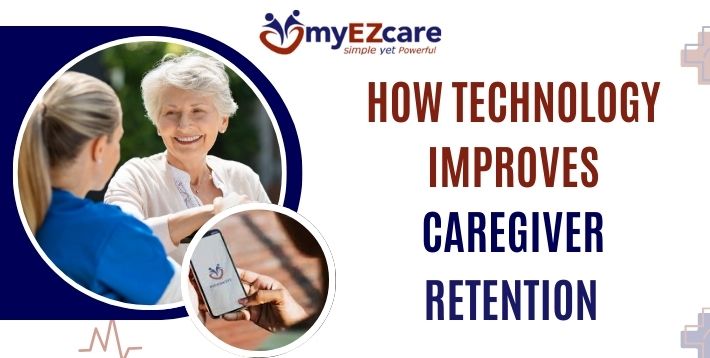
Caregiver retention remains one of the most significant challenges for home health agencies in the United States. With the growing demand for senior care and an aging population, agencies are finding it harder to keep caregivers engaged and committed to their roles. One of the most effective ways to tackle this issue is by leveraging technology, particularly artificial intelligence (AI) and home health care solutions.
In this blog post, we’ll explore how AI improves caregiver scheduling, enhances caregiver satisfaction, and contributes to long-term retention in the home health care industry.
The Importance of Caregiver Retention in Home Health Care
Caregiver retention is crucial for providing high-quality patient care. High turnover rates can lead to disruptions in care, increased recruitment and training costs, and a decrease in overall patient satisfaction. When caregivers leave, it also puts a strain on the remaining staff, leading to burnout and a further decline in morale.
A stable and committed caregiver workforce is essential not only for delivering consistent and compassionate care but also for maintaining operational efficiency. This is where technology, particularly AI plays an important role for providing a solution of Home care.
The Role of Technology in Caregiver Scheduling
One of the most pressing challenges home health agencies face is managing caregiver schedules effectively. Scheduling issues can lead to missed shifts, caregiver burnout, and overall dissatisfaction. However, with the introduction of AI-driven scheduling system, agencies can automate and optimize scheduling, making it easier to match caregivers with patients based on availability, preferences, and skill sets.
How AI Improves Caregiver Scheduling
AI technology uses algorithms to predict the best possible shifts for caregivers based on various factors such as:
- Availability: AI tools analyze caregivers’ availability and suggest schedules that maximize efficiency without overburdening staff.
- Location: AI solutions can optimize schedules by factoring in geographic proximity, reducing travel time between patients, which improves caregiver satisfaction.
- Skill Set Matching: AI can match caregivers’ qualifications and experience with patient needs, ensuring that the right caregiver is assigned to each patient.
- Real-Time Adjustments: AI tools can dynamically adjust schedules in real-time to accommodate last-minute changes, minimizing the risk of missed shifts and understaffed visits.
With an intelligent scheduling system in place, caregivers feel more empowered, appreciated, and less stressed, leading to a positive impact on retention.
How Technology Enhances Caregiver Satisfaction
In addition to streamlining scheduling, technology can enhance caregiver satisfaction by reducing administrative burdens, improving communication, and providing better support tools for daily tasks. When caregivers have the right tools and support, they are more likely to remain engaged with their work and feel valued by their employer.
Automated Administrative Tasks
Administrative tasks, such as filling out forms, managing patient records, and submitting visit notes, can consume a significant portion of caregivers’ time. By using EHR software (electronic health records), caregivers can reduce the time spent on paperwork, allowing them to focus on patient care.
Additionally, EVV compliance systems automate the verification of patient visits, ensuring caregivers’ time is tracked accurately without the need for manual input. This streamlines the process and frees up more time for direct patient care.
Improved Communication and Support
Effective communication is vital for caregiver satisfaction. Technology facilitates seamless communication between caregivers, patients, and supervisors. Mobile apps integrated with home care Software can provide caregivers with instant access to patient information, care plans, and real-time updates, ensuring they have everything they need to perform their job effectively.
Additionally, caregivers can receive immediate support and feedback from supervisors through digital platforms, which helps address concerns promptly and improves job satisfaction.
The Impact of Technology on Compliance and Training
Another way technology supports caregiver retention is through better training and compliance management. Ongoing training is essential for keeping caregivers up to date with industry standards and regulations. With AI-driven training platforms and online compliance tools, caregivers can access training modules and resources anytime, anywhere, helping them stay current without disrupting their schedules.
Tracking Compliance
Many home health agencies struggle with managing compliance, especially with changing regulations. HIPAA Compliant Software integrated with myEZcare provides agencies with an automated way to track and monitor caregiver compliance with industry standards and regulations, reducing the risk of errors and legal issues.
Ongoing Development Opportunities
By offering caregivers access to AI-powered learning platforms, agencies can provide continuous professional development opportunities. This not only enhances caregivers’ skills but also shows that the agency values their growth, which can significantly improve retention.
Benefits of Technology for Home Health Agencies
Adopting technology in home health agencies has a number of significant benefits, including:
- Increased efficiency: Automation of administrative tasks and scheduling improves operational efficiency and allows agencies to allocate more time for patient care.
- Improved caregiver morale: With the right tools, caregivers can work more effectively and feel more supported in their roles, improving their job satisfaction and commitment.
- Cost savings: Automating tasks such as scheduling and compliance tracking reduces operational costs and the need for additional administrative staff.
- Better patient care: With caregivers focusing more on patient care and less on administrative tasks, patient outcomes improve, which can positively impact reimbursement rates under value-based care models like EVV compliance.
Practical Steps to Implement Technology for Caregiver Retention
To effectively implement technology for improving caregiver retention, agencies can follow these steps:
- Adopt AI-powered scheduling software that optimizes shift allocation, reducing caregiver stress and minimizing scheduling conflicts.
- Integrate mobile solutions that provide caregivers with easy access to patient information, schedules, and real-time support.
- Implement EHR and EVV systems to streamline documentation and visit verification, saving caregivers valuable time.
- Offer continuous training and development through online platforms, ensuring caregivers are well-equipped to handle industry changes.
- Track performance and satisfaction through digital feedback systems, allowing agencies to make data-driven improvements.
How to improve it:
Caregiver retention is a critical issue for home health agencies, but technology can provide significant solutions to enhance caregiver satisfaction, reduce burnout, and improve overall retention rates. By leveraging AI-driven scheduling, home care AI solutions, EVV compliance, and other advanced technologies, agencies can create a supportive work environment where caregivers feel valued and empowered. This ultimately leads to improved patient care, increased agency efficiency, and a stronger workforce.
FAQs(Frequently Asked Questions)
1. How does AI improve caregiver scheduling?
AI improves caregiver scheduling by optimizing shift assignments, reducing travel time, and matching caregivers with patients based on skills, availability, and proximity.
2. What technology can help reduce caregiver burnout?
Technology such as AI-driven scheduling software, EHR software, and home care AI solutions can reduce caregiver burnout by automating administrative tasks, ensuring efficient scheduling, and providing real-time support.
3. How does technology impact caregiver job satisfaction?
By automating administrative tasks, improving communication, and offering flexible schedules, technology enhances caregiver job satisfaction and helps reduce stress.
4. What are the benefits of EHR software for caregiver retention?
EHR software reduces time spent on paperwork, allowing caregivers to focus more on patient care. This not only improves job satisfaction but also boosts retention rates.
5. How does EVV compliance help improve caregiver satisfaction?
EVV compliance ensures caregivers are not overwhelmed with manual visit verification processes. This reduces their administrative burden and ensures they spend more time on patient care.
6. Can technology help caregivers manage multiple patients?
Yes, technology like myEZcare helps caregivers by streamlining scheduling, allowing them to manage multiple patients more efficiently while ensuring the right care is provided at the right time.
7. What role does mobile technology play in caregiver retention?
Mobile technology allows caregivers to access real-time updates, communicate with supervisors, and view schedules, ensuring they are always well-supported and informed during their shifts.
8. How can technology help home health agencies stay compliant with regulations?
HIPAA Compliant Software and integrated systems track caregiver certifications and patient care documentation, ensuring compliance with industry standards without adding to the caregiver’s workload.
9. How does technology improve communication between caregivers and supervisors?
Technology like mobile apps and communication platforms integrated with home health care solutions makes it easier for caregivers and supervisors to stay connected, share updates, and resolve issues quickly, fostering a supportive work environment.
10. What are the long-term benefits of using technology for caregiver retention?
Long-term benefits include reduced turnover rates, improved care quality, higher patient satisfaction, and a more efficient, cost-effective workforce, ultimately leading to better overall agency performance.