Uncategorized

Private Duty Nursing Assessments

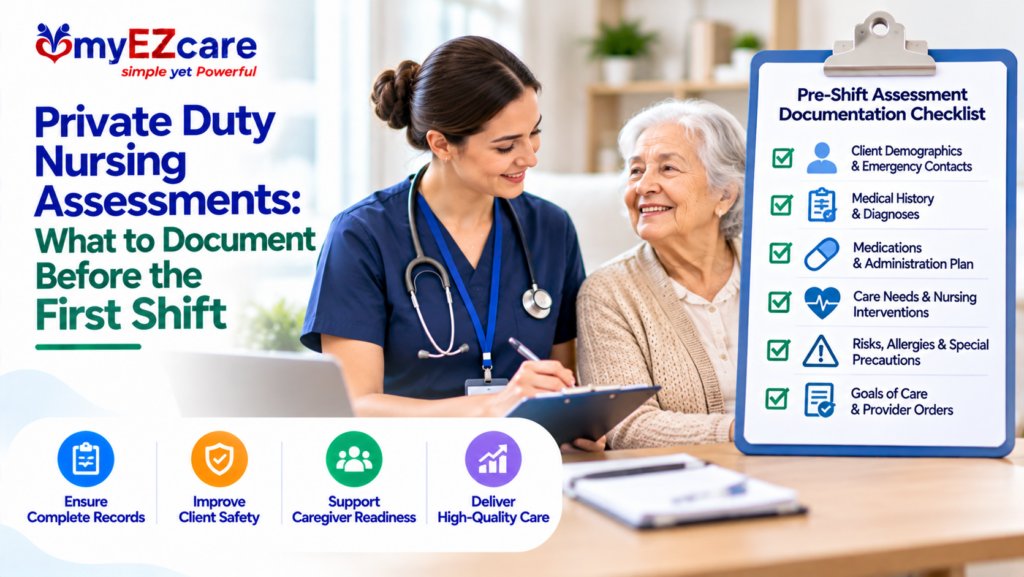
Private Duty Nursing Assessments: What to Document Before the First Shift

Summary Starting private duty nursing services requires more than assigning a nurse and confirming a schedule. Before the first shift, agencies need to understand the patient’s medical needs, review available clinical information, confirm physician or other authorized practitioner orders, and prepare the documentation necessary to support safe, coordinated care.   An incomplete initial assessment can […]

Private Duty Nursing Assessments: What to Document Before the First Shift Read More »
Client Complaints and Resolution Tracking

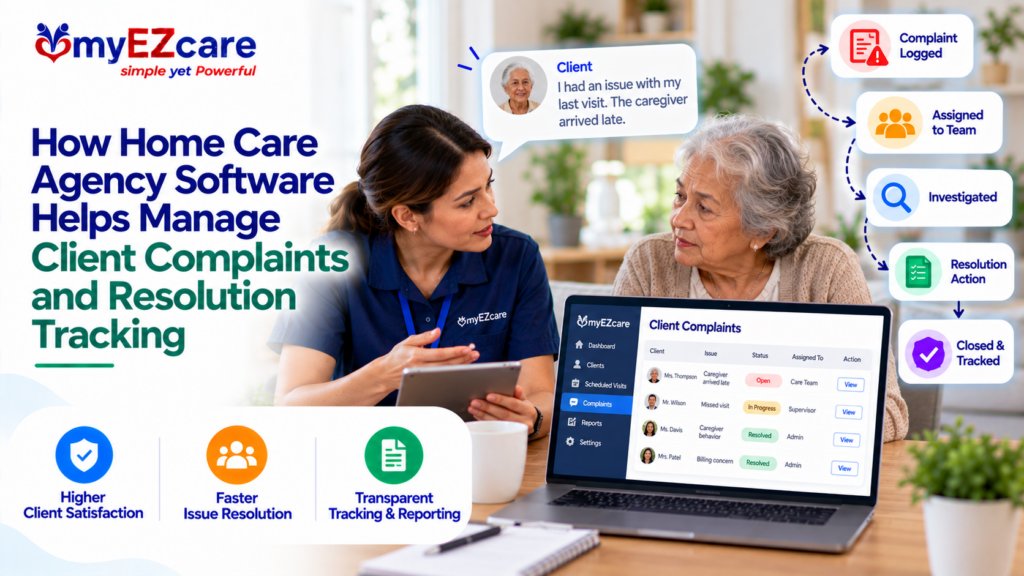
How Home Care Agency Software Helps Manage Client Complaints and Resolution Tracking

Summary Client complaints are an important part of home care agency operations. Whether a client reports a missed caregiver visit, poor communication, scheduling problems, or concerns about service quality, agencies need a reliable way to document and resolve the issue.   When complaints are handled through phone calls, emails, spreadsheets, or paper records, it can

How Home Care Agency Software Helps Manage Client Complaints and Resolution Tracking Read More »

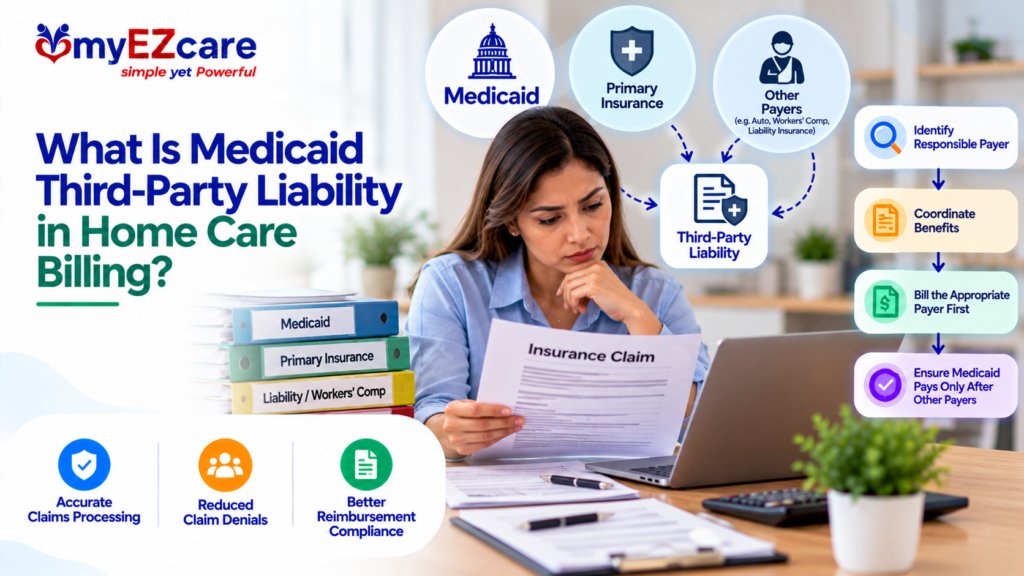
Medicaid Third-Party Liability

What Is Medicaid Third-Party Liability in Home Care Billing?

Summary Medicaid Third-Party Liability (TPL) refers to situations in which another individual, insurance company, or legally responsible organization may be required to pay for healthcare services provided to a Medicaid beneficiary. Because Medicaid generally operates as the payer of last resort, other legally liable sources of payment must usually be considered before Medicaid pays for

What Is Medicaid Third-Party Liability in Home Care Billing? Read More »

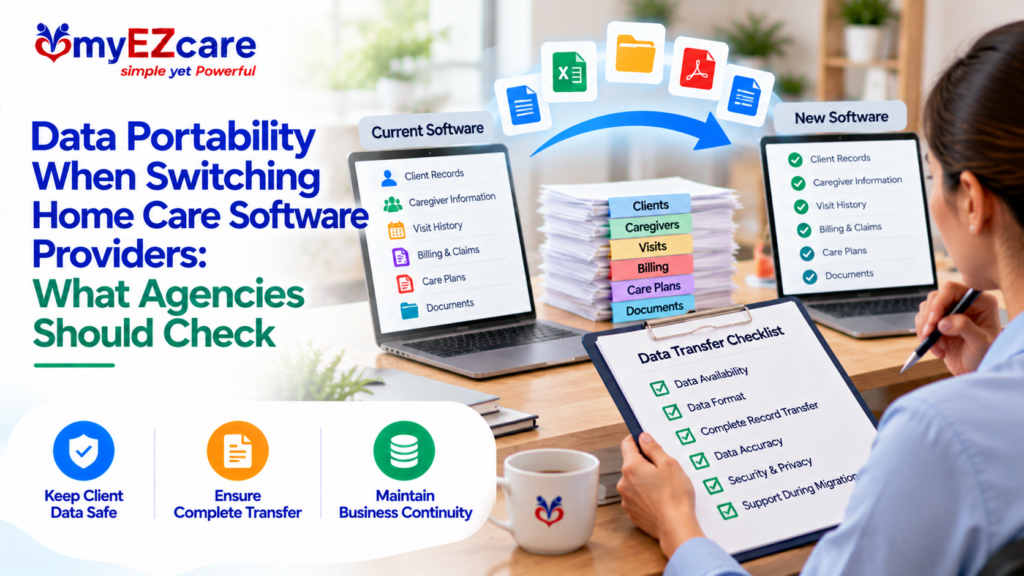
When Switching Home Care Software Providers

Data Portability When Switching Home Care Software Providers: What Agencies Should Check

Summary Switching home care software providers can help agencies improve scheduling, caregiver management, billing, reporting, and daily operations. However, one of the biggest concerns during a software transition is what happens to the information already stored in the existing system. Client records, caregiver profiles, visit histories, service authorizations, Electronic Visit Verification (EVV) data, billing information,

Data Portability When Switching Home Care Software Providers: What Agencies Should Check Read More »

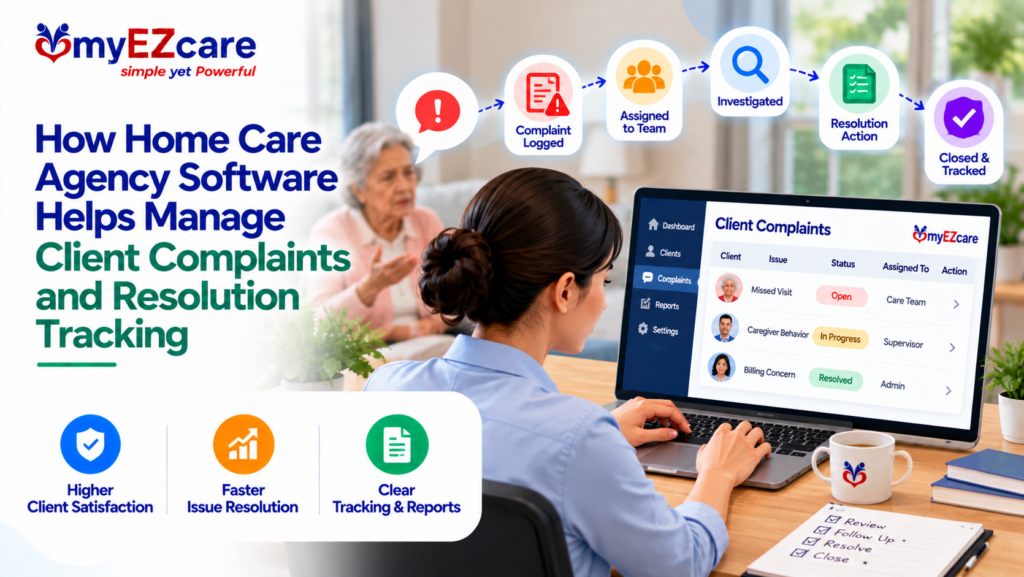
Client Complaints and Resolution Tracking

How Home Care Agency Software Helps Manage Client Complaints and Resolution Tracking

Summary Client complaints are an important source of feedback for home care agencies. Whether a concern involves caregiver punctuality, missed visits, communication, service quality, or billing, agencies need a reliable process to receive, investigate, and resolve complaints. When complaints are handled through phone calls, emails, paper forms, or spreadsheets, important details may be missed. Staff

How Home Care Agency Software Helps Manage Client Complaints and Resolution Tracking Read More »

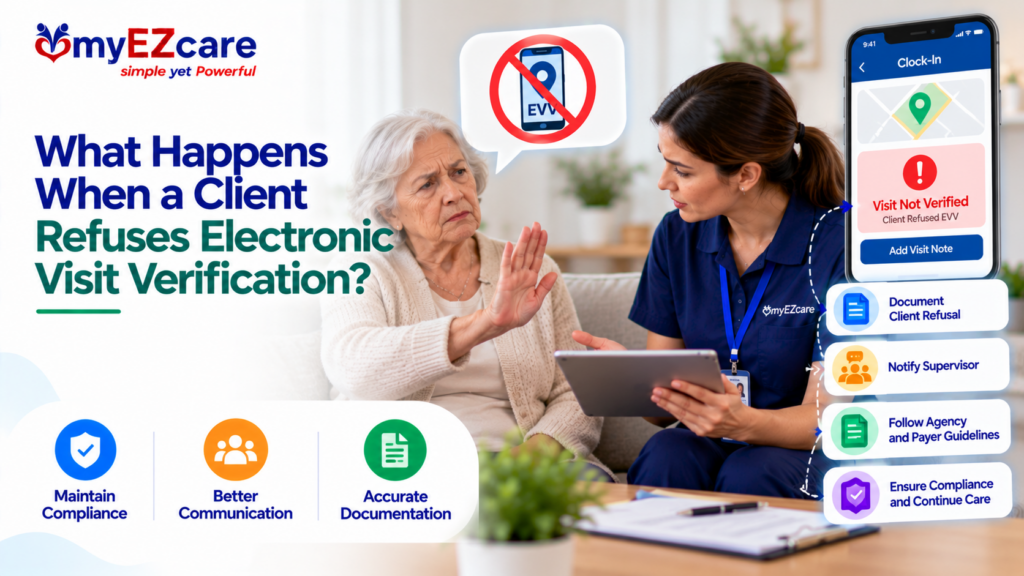
Client Refuses Electronic Visit Verification

What Happens When a Client Refuses Electronic Visit Verification?

Summary Electronic Visit Verification (EVV) is an important requirement for many Medicaid-funded home care services in the United States. It helps verify essential information about services delivered during home visits. However, some clients may feel uncomfortable with EVV technology. They may have concerns about GPS tracking, privacy, personal devices, or how their information will be

What Happens When a Client Refuses Electronic Visit Verification? Read More »

Medicaid Claim Recoupment

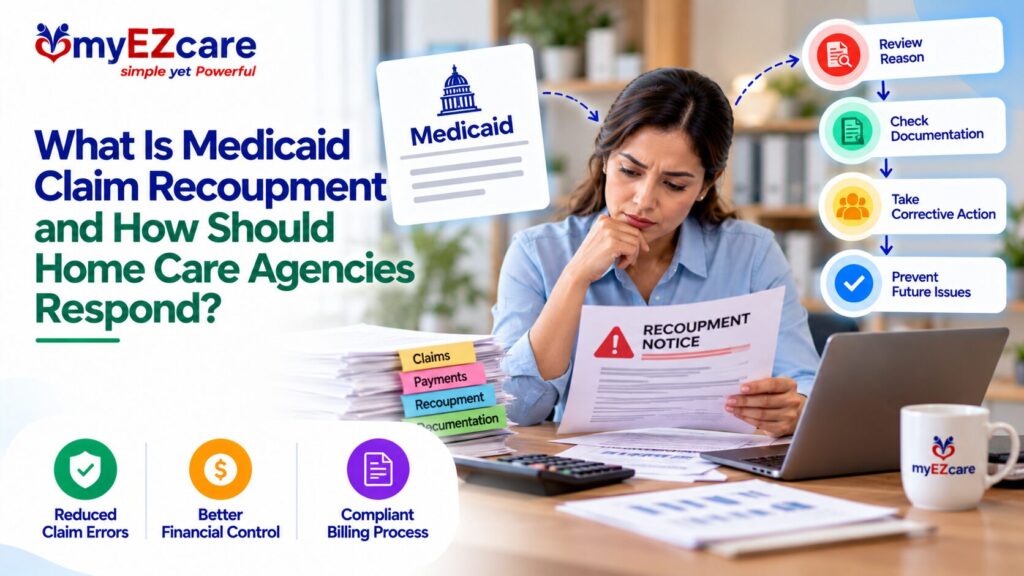
What Is Medicaid Claim Recoupment and How Should Home Care Agencies Respond?

Summary Receiving payment for a Medicaid home care claim does not always mean the billing process is completely finished. In some situations, a state Medicaid agency or managed care organization may later determine that a payment was incorrect and seek to recover all or part of the amount. This process is commonly known as Medicaid

What Is Medicaid Claim Recoupment and How Should Home Care Agencies Respond? Read More »

Adult Day Care Management Software Helps Track Participant Incident Follow-Ups

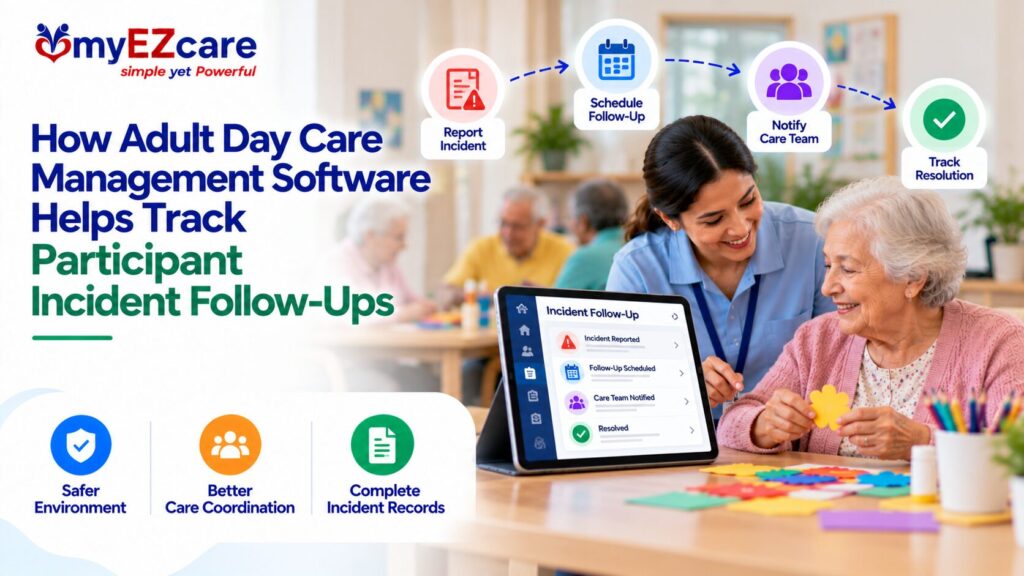
How Adult Day Care Management Software Helps Track Participant Incident Follow-Ups

Summary Managing participant incidents is an important responsibility for adult day care centers. Whether an incident involves a fall, a behavioral concern, a transportation issue, or another unexpected event, documenting what happened is only the first step. Adult day care staff may also need to notify the appropriate people, complete assessments, review the participant’s care

How Adult Day Care Management Software Helps Track Participant Incident Follow-Ups Read More »

Client Discharges and Service Closures

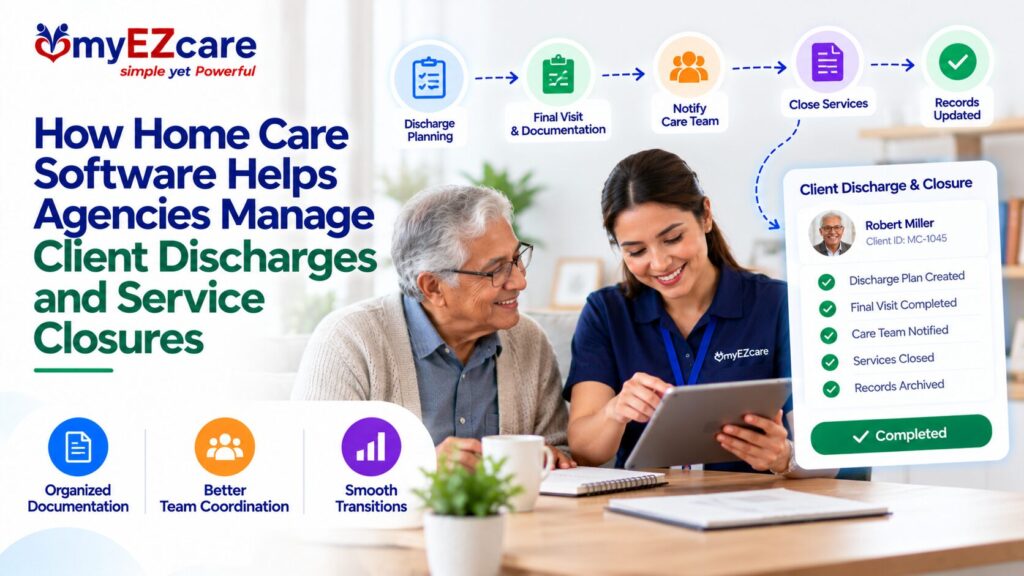
How Home Care Software Helps Agencies Manage Client Discharges and Service Closures

Summary Client discharge and service closure are important parts of home care agency operations. Whether a client no longer requires assistance, moves to another care provider, enters a healthcare facility, or chooses to discontinue services, agencies need a structured process to close services appropriately. Managing these activities manually can create problems such as active schedules

How Home Care Software Helps Agencies Manage Client Discharges and Service Closures Read More »

Agencies Track Client Service Preferences

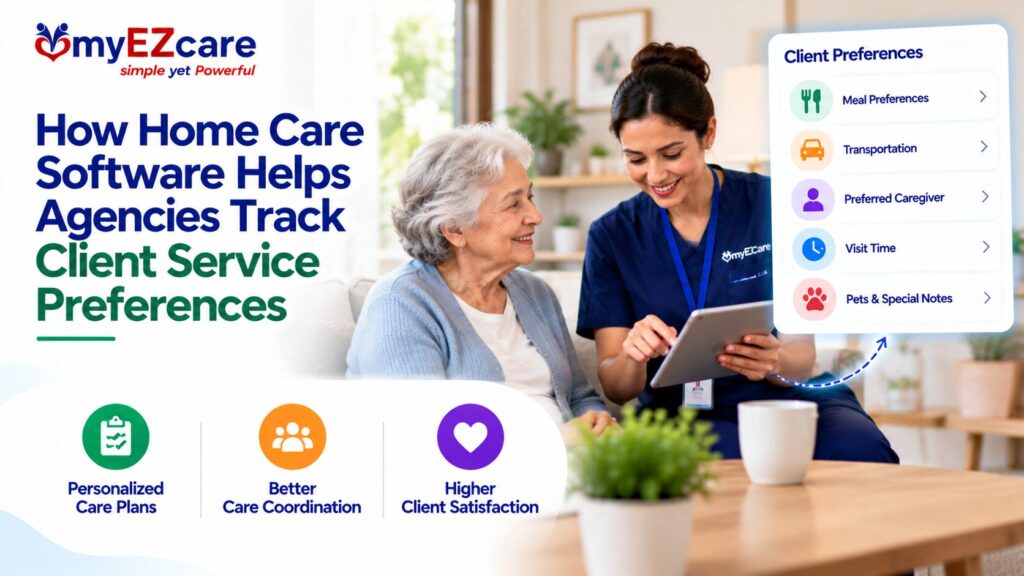
How Home Care Software Helps Agencies Track Client Service Preferences

Summary Every home care client has individual preferences that influence how they want to receive assistance. These may include preferred visit times, daily routines, communication styles, caregiver preferences, and personal care arrangements. For home care agencies, keeping track of these details becomes challenging when information is scattered across intake forms, spreadsheets, paper notes, and conversations

How Home Care Software Helps Agencies Track Client Service Preferences Read More »

Scroll to Top

Add Your Listing